Relationship Between Obesity and Hormones
Obesity and hormones interact in a reciprocal manner. Hormonal imbalances can contribute to weight gain, while being overweight affects hormone production, creating a challenging cycle to overcome.
Obesity and hormones interact in a reciprocal manner. On the one hand, hormonal imbalances can contribute to weight gain and make it difficult to lose the excess pounds. However, being overweight or obese can affect the regular production and control of many hormones, resulting in a vicious cycle that is difficult to overcome.
Key Hormones Affecting Weight
1. Insulin
Insulin is a hormone produced by the pancreas that helps regulate blood sugar levels. When you're obese, your body may become resistant to insulin, leading to higher blood sugar levels and increased fat storage.
2. Leptin
Leptin is produced by fat cells and signals to your brain that you're full. In obesity, leptin resistance can develop, meaning your brain doesn't receive the "stop eating" signal properly.
3. Ghrelin
Known as the "hunger hormone," ghrelin stimulates appetite. Obese individuals may have altered ghrelin levels, leading to increased hunger and food intake.
4. Cortisol
The stress hormone cortisol can promote fat storage, especially around the abdomen. Chronic stress and obesity often go hand in hand.
5. Thyroid Hormones
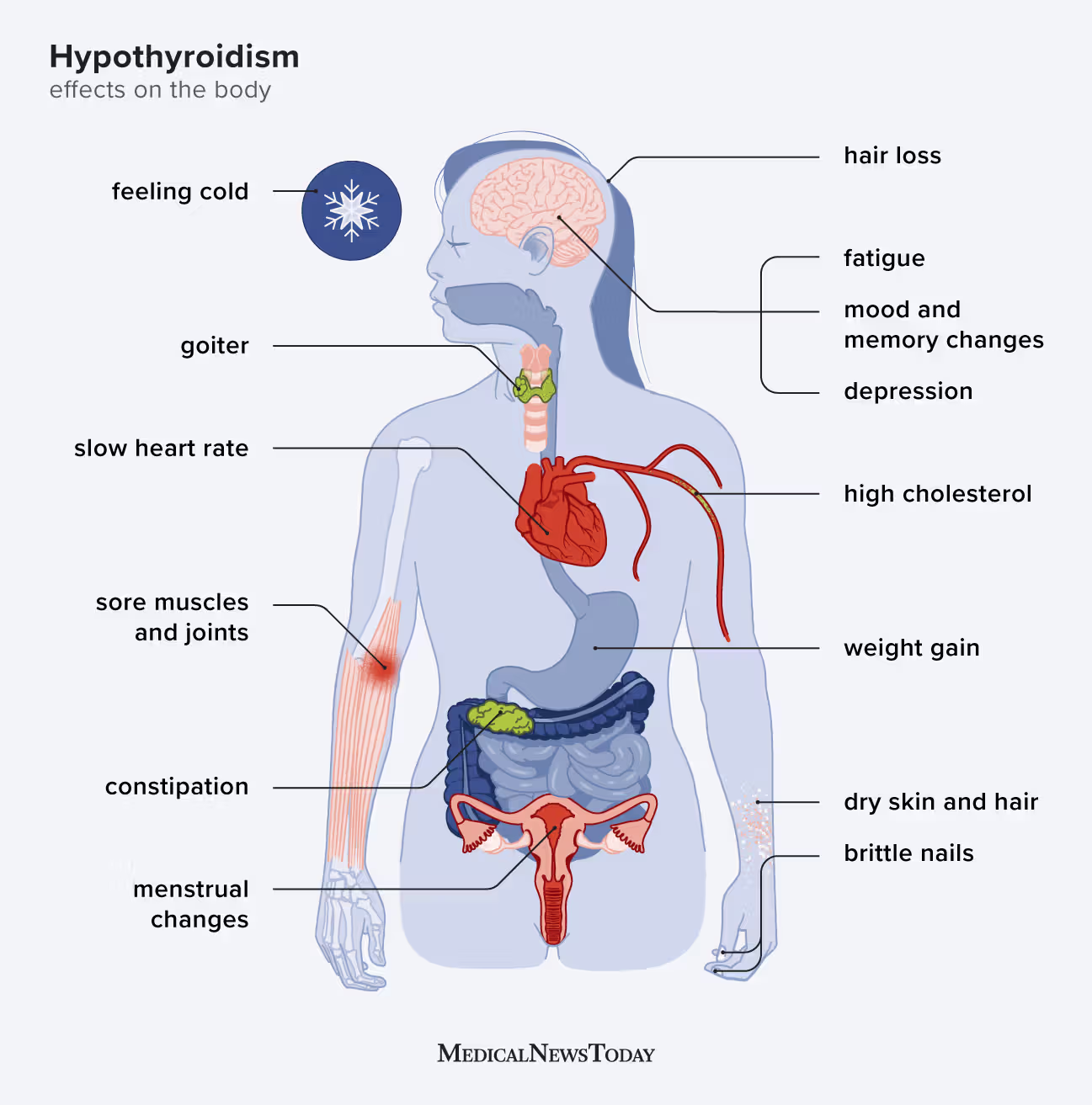
Thyroid hormones regulate metabolism. Hypothyroidism (low thyroid function) can lead to weight gain and difficulty losing weight.
How Obesity Affects Hormone Production
- Inflammation: Excess fat tissue produces inflammatory chemicals that can interfere with hormone signaling
- Insulin Resistance: Obesity can lead to insulin resistance, which affects multiple hormone systems
- Sex Hormones: Obesity can affect estrogen and testosterone levels, leading to various health issues
- Stress Response: Obesity can alter cortisol production and stress response
Breaking the Cycle
To break the obesity-hormone cycle, consider these strategies:
1. Balanced Diet
Focus on whole foods, lean proteins, healthy fats, and complex carbohydrates. Avoid processed foods and excessive sugar.
2. Regular Exercise
Physical activity helps improve insulin sensitivity and hormone balance. Aim for at least 150 minutes of moderate exercise weekly.
3. Stress Management
Practice stress-reduction techniques like meditation, yoga, or deep breathing to help regulate cortisol levels.
4. Adequate Sleep
Poor sleep can disrupt hormone production. Aim for 7-9 hours of quality sleep per night.
5. Medical Evaluation
If you're struggling with weight loss, consider seeing an endocrinologist to check for underlying hormonal issues.
When to Seek Medical Help
Consult a healthcare provider if you experience:
- Difficulty losing weight despite diet and exercise
- Unexplained weight gain
- Fatigue or low energy
- Irregular menstrual cycles (for women)
- Changes in appetite or eating patterns
Understanding the relationship between obesity and hormones is crucial for effective weight management. A comprehensive approach that addresses both lifestyle factors and potential hormonal imbalances is often the most successful strategy.