Managing Hypertension: A Complete Guide
High blood pressure affects millions. Discover effective strategies for managing hypertension through diet, exercise, medication, and lifestyle modifications.
Hypertension, or high blood pressure, is a common condition that affects millions of people worldwide. It's often called the "silent killer" because it typically has no symptoms but can lead to serious health complications.
Understanding Blood Pressure
Blood pressure is the force of blood pushing against the walls of your arteries. It's measured as systolic (top number) over diastolic (bottom number) pressure.
Blood Pressure Categories
- Normal: Less than 120/80 mmHg
- Elevated: 120-129/less than 80 mmHg
- Stage 1 Hypertension: 130-139/80-89 mmHg
- Stage 2 Hypertension: 140/90 mmHg or higher
- Hypertensive Crisis: Higher than 180/120 mmHg
Causes and Risk Factors
Primary Hypertension
Most common type, develops gradually over years with no identifiable cause.
Secondary Hypertension
Caused by an underlying condition such as:
- Kidney disease
- Adrenal gland disorders
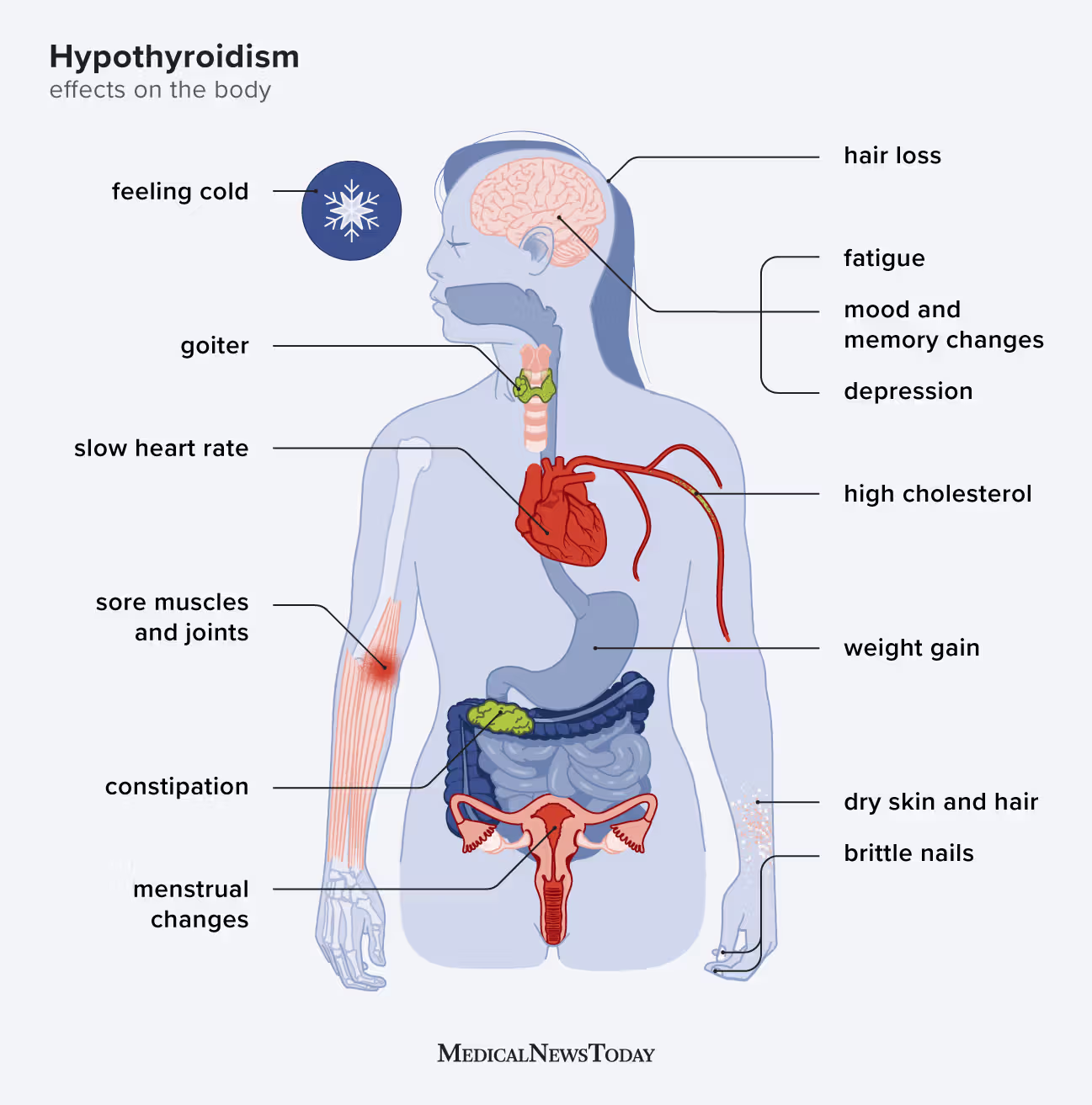
- Thyroid problems
- Sleep apnea
- Certain medications
Risk Factors
- Age (risk increases with age)
- Family history
- Obesity or overweight
- Physical inactivity
- High salt diet
- Excessive alcohol consumption
- Stress
- Smoking
Complications of Untreated Hypertension
- Heart disease: Heart attack, heart failure
- Stroke: Brain damage from blocked or burst blood vessels
- Kidney damage: Reduced kidney function
- Eye problems: Vision loss
- Sexual dysfunction: Erectile dysfunction in men
- Cognitive decline: Memory and thinking problems
Management Strategies
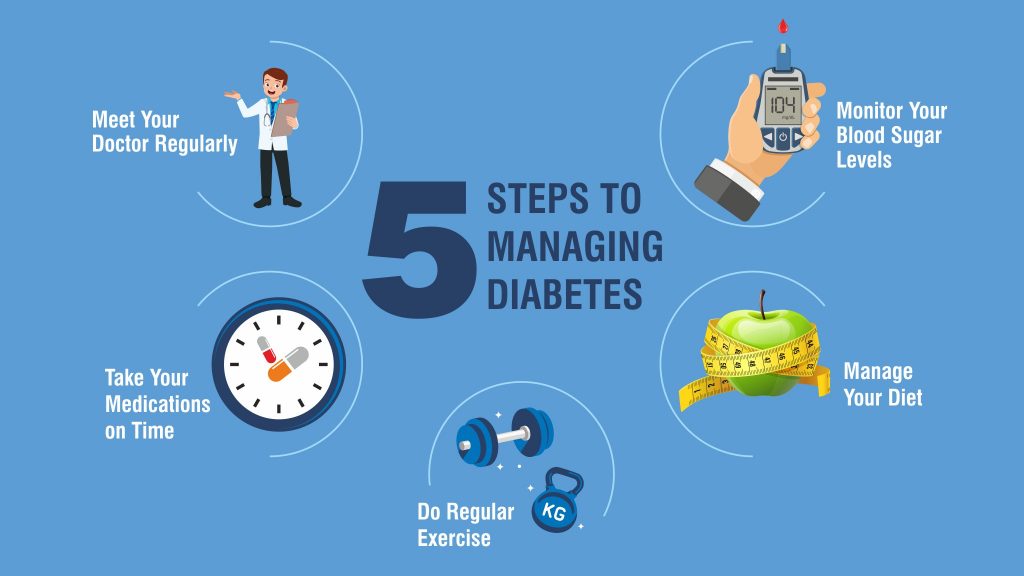
1. Lifestyle Modifications
Diet Changes
- Reduce sodium intake (less than 2,300 mg/day)
- Follow DASH diet (Dietary Approaches to Stop Hypertension)
- Increase potassium-rich foods
- Limit alcohol consumption
- Reduce caffeine intake
Physical Activity
- Aim for 150 minutes of moderate exercise weekly
- Include both aerobic and strength training
- Start slowly and gradually increase intensity
- Monitor blood pressure during exercise
Weight Management
- Lose weight if overweight or obese
- Focus on waist circumference reduction
- Combine diet and exercise for best results
Stress Management
- Practice relaxation techniques
- Get adequate sleep (7-9 hours)
- Consider meditation or yoga
- Seek professional help if needed
2. Medical Treatment
Medications may be prescribed based on your specific situation:
- ACE inhibitors: Relax blood vessels
- ARBs: Block effects of angiotensin
- Calcium channel blockers: Relax blood vessels
- Diuretics: Remove excess sodium and water
- Beta-blockers: Reduce heart rate and blood pressure
Monitoring and Prevention
Regular Monitoring
- Home blood pressure monitoring
- Regular check-ups with healthcare provider
- Keep a blood pressure log
- Monitor for side effects of medications
Prevention Strategies
- Maintain healthy lifestyle habits
- Regular health screenings
- Manage other health conditions
- Stay informed about blood pressure
When to Seek Emergency Care
Seek immediate medical attention if you experience:
- Severe headache
- Chest pain
- Shortness of breath
- Vision problems
- Severe anxiety
- Blood pressure higher than 180/120 mmHg
Hypertension is a manageable condition with proper treatment and lifestyle modifications. Early detection and consistent management can prevent serious complications and improve long-term health outcomes.