PCOD: Understanding and Management
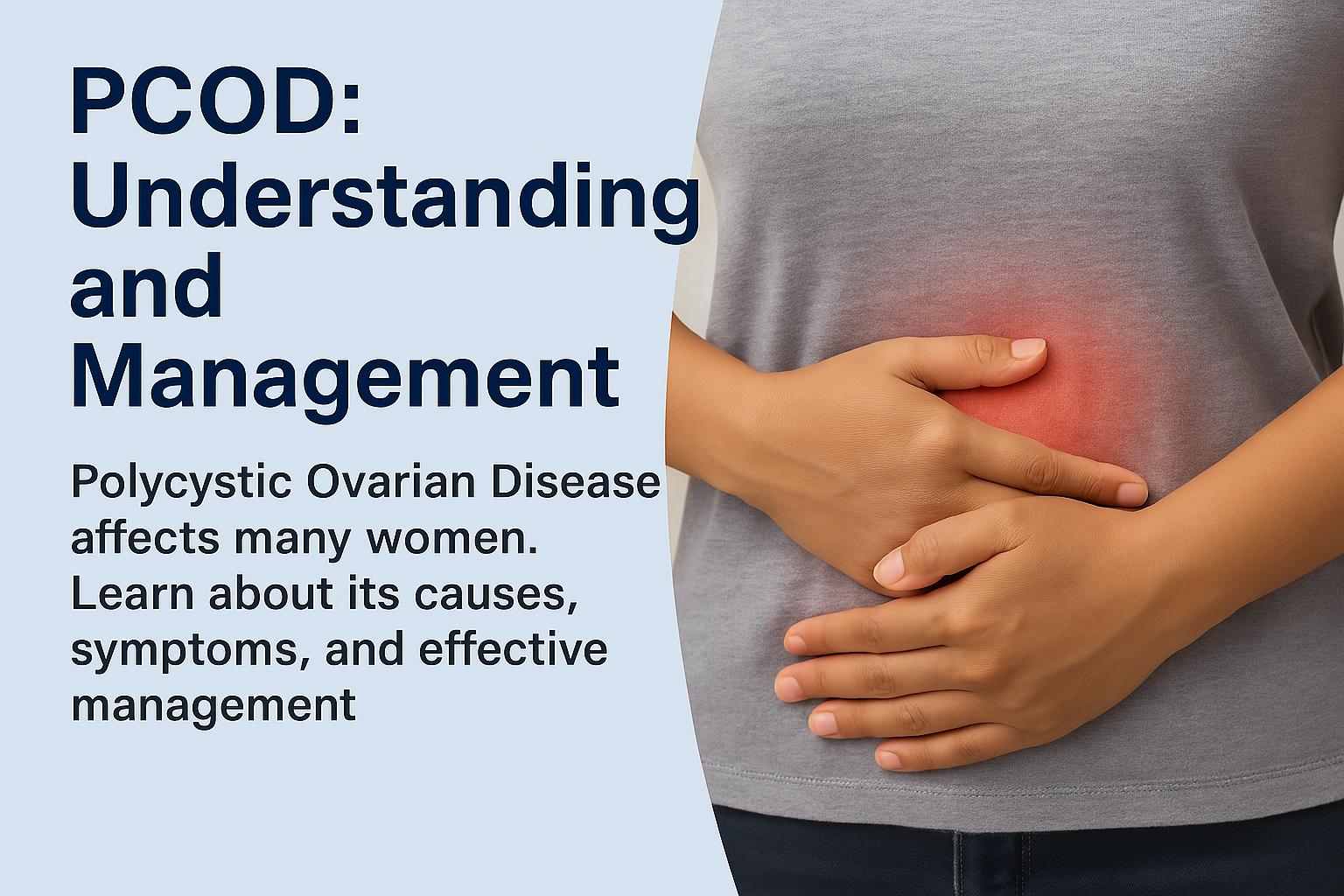
Polycystic Ovarian Disease affects many women. Learn about its causes, symptoms, and effective management strategies including lifestyle changes and medical treatments.
Polycystic Ovarian Disease (PCOD), also known as Polycystic Ovary Syndrome (PCOS), is a common hormonal disorder affecting women of reproductive age. It's characterized by irregular menstrual cycles, excess androgen levels, and polycystic ovaries.
Understanding PCOD
PCOD is a complex condition that affects multiple body systems. It's not just a reproductive issue but also affects metabolism, cardiovascular health, and mental well-being.
Common Symptoms
- Menstrual irregularities: Irregular, infrequent, or absent periods
- Excess hair growth: Hirsutism on face, chest, back
- Acne: Persistent acne, especially on face and back
- Weight gain: Difficulty losing weight, especially around abdomen
- Hair loss: Thinning hair on scalp
- Skin changes: Dark patches on skin (acanthosis nigricans)
- Fertility issues: Difficulty conceiving
Causes and Risk Factors
- Hormonal imbalance: High levels of androgens (male hormones)
- Insulin resistance: Body doesn't use insulin effectively
- Genetics: Family history of PCOD
- Lifestyle factors: Poor diet, lack of exercise, stress
- Inflammation: Low-grade inflammation in the body
Diagnosis
PCOD is diagnosed through:
- Medical history: Symptoms and family history
- Physical examination: Checking for signs like excess hair, acne
- Blood tests: Hormone levels, glucose, insulin
- Ultrasound: Checking for polycystic ovaries
Management Strategies
1. Lifestyle Modifications
- Diet: Low glycemic index foods, balanced nutrition
- Exercise: Regular physical activity (150 minutes/week)
- Weight management: Even 5-10% weight loss can improve symptoms
- Stress management: Meditation, yoga, adequate sleep
2. Medical Treatment
- Birth control pills: Regulate menstrual cycles
- Metformin: Improves insulin sensitivity
- Anti-androgen medications: Reduce excess hair and acne
- Fertility medications: For women trying to conceive
3. Complementary Therapies
- Inositol supplements
- Omega-3 fatty acids
- Vitamin D supplementation
- Acupuncture
Long-term Health Considerations
PCOD increases risk for:
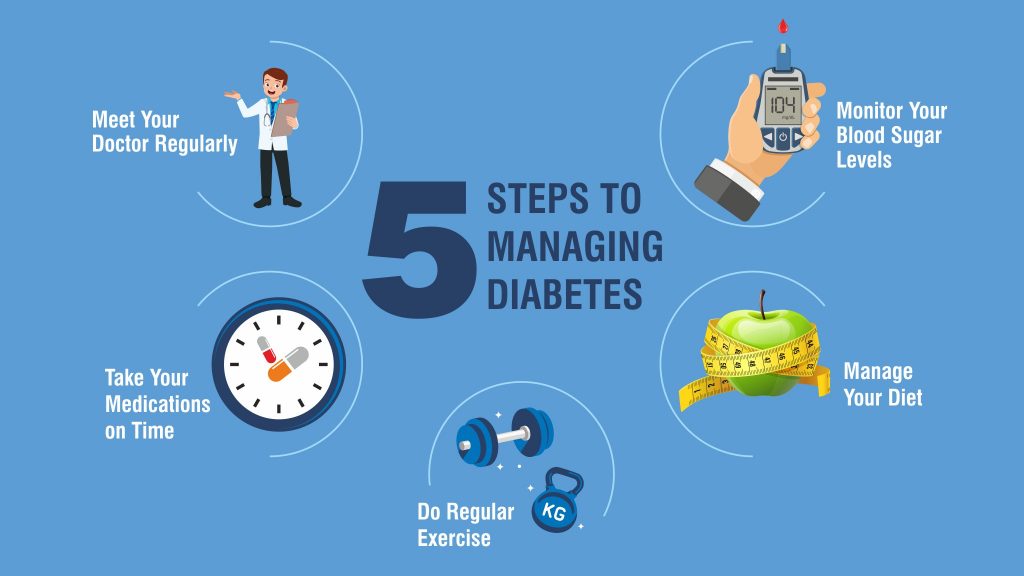
- Type 2 diabetes
- Cardiovascular disease
- High blood pressure
- Sleep apnea
- Endometrial cancer
- Depression and anxiety
Fertility and Pregnancy
While PCOD can affect fertility, many women with PCOD can conceive with proper management:
- Lifestyle modifications
- Ovulation induction medications
- Assisted reproductive technologies
- Regular monitoring during pregnancy
When to Seek Medical Help
Consult a healthcare provider if you experience:
- Irregular menstrual cycles
- Difficulty losing weight
- Excess hair growth or acne
- Difficulty conceiving
- Signs of diabetes or heart disease
PCOD is a manageable condition with proper treatment and lifestyle modifications. Early diagnosis and comprehensive management can prevent complications and improve quality of life.