Thyroid Disorders: Symptoms and Treatment
Explore common thyroid disorders, their symptoms, and effective treatment options. Understanding thyroid function is crucial for overall hormonal health and metabolism.
Thyroid disorders are among the most common endocrine problems, affecting millions of people worldwide. The thyroid gland plays a crucial role in regulating metabolism, energy levels, and overall health.
Understanding the Thyroid Gland
The thyroid is a butterfly-shaped gland located in the front of your neck. It produces hormones that regulate your body's metabolism, heart rate, body temperature, and other vital functions.
Common Thyroid Disorders
1. Hypothyroidism (Underactive Thyroid)
Occurs when the thyroid doesn't produce enough hormones.
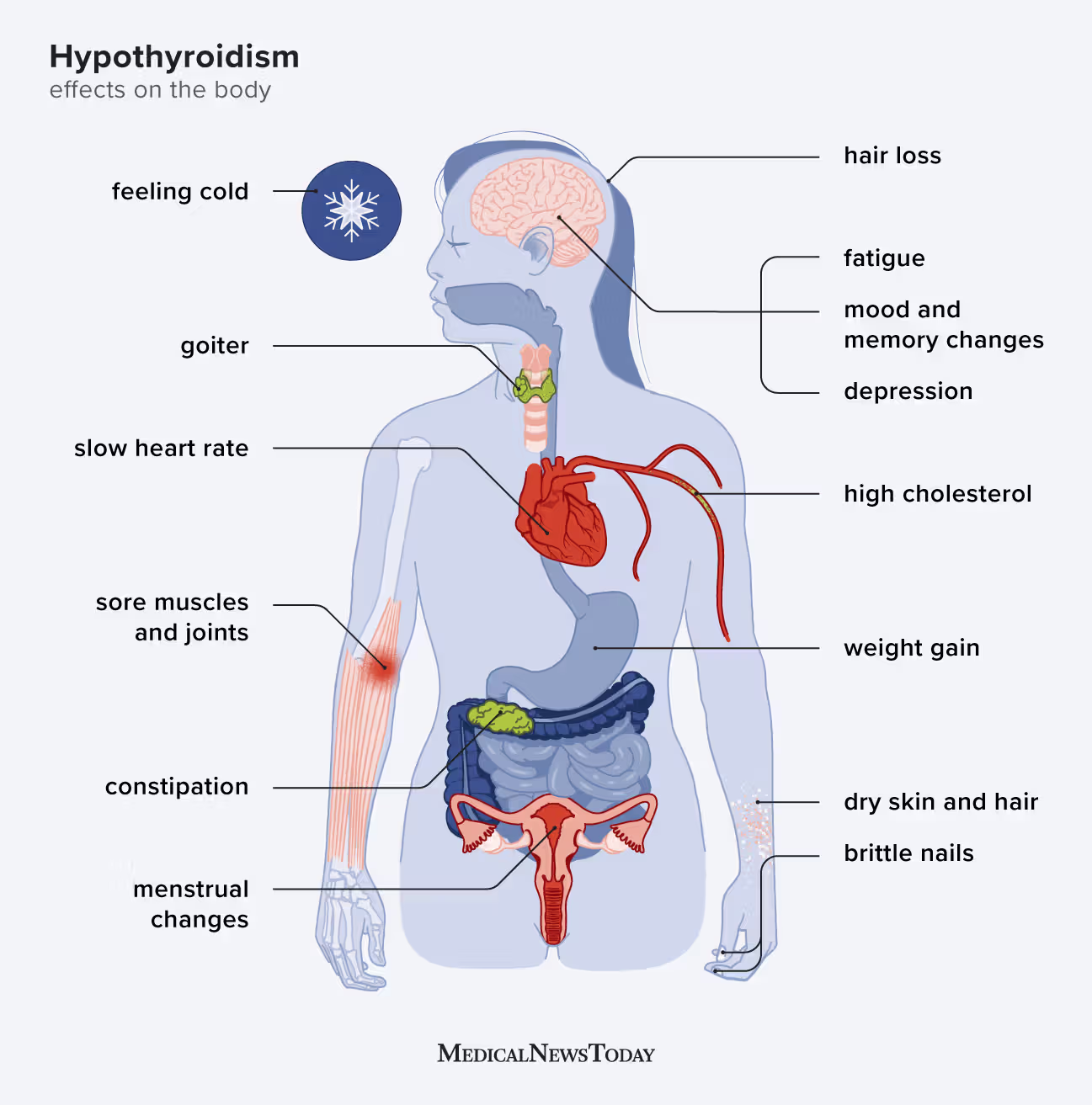
- Symptoms: Fatigue, weight gain, cold intolerance, dry skin, hair loss, depression
- Causes: Autoimmune disease (Hashimoto's), iodine deficiency, radiation therapy
- Treatment: Synthetic thyroid hormone replacement
2. Hyperthyroidism (Overactive Thyroid)
Occurs when the thyroid produces too much hormone.
- Symptoms: Weight loss, rapid heartbeat, anxiety, tremors, heat intolerance
- Causes: Graves' disease, thyroid nodules, inflammation
- Treatment: Anti-thyroid medications, radioactive iodine, surgery
3. Thyroid Nodules
Lumps in the thyroid gland that may be benign or cancerous.
- Symptoms: Visible neck lump, difficulty swallowing, voice changes
- Diagnosis: Ultrasound, fine-needle aspiration biopsy
- Treatment: Monitoring, surgery if necessary
Diagnosis and Testing
Thyroid disorders are diagnosed through:
- Blood tests: TSH, T3, T4 levels
- Physical examination: Checking for goiter or nodules
- Imaging: Ultrasound, CT scan, or MRI
- Biopsy: For suspicious nodules
Treatment Approaches
Medication
Most thyroid disorders can be managed with medication:
- Levothyroxine for hypothyroidism
- Methimazole or propylthiouracil for hyperthyroidism
- Beta-blockers for symptom relief
Lifestyle Modifications
- Balanced diet with adequate iodine
- Regular exercise
- Stress management
- Adequate sleep
- Avoiding smoking
Prevention and Monitoring
- Regular check-ups with your endocrinologist
- Monitoring symptoms and medication effectiveness
- Maintaining a healthy lifestyle
- Being aware of family history
When to Seek Medical Attention
Contact your healthcare provider if you experience:
- Unexplained weight changes
- Persistent fatigue or energy changes
- Changes in heart rate or blood pressure
- Mood changes or depression
- Visible neck swelling
Early diagnosis and treatment of thyroid disorders can prevent complications and improve quality of life. Regular monitoring and working closely with your healthcare team is essential for optimal thyroid health.